Maximize Your Space: The Ultimate Guide to Picking the Ideal Storage Shed
Choosing the best storage shed is important for optimizing outdoor space successfully. It demands careful assessment of individual requirements, available land, and suitable solutions. A properly chosen shed not only serves functional purposes but also elevates the overall appearance of a residence. Grasping these factors can be challenging. What features will truly make a difference? Examining these aspects can lead to a more efficient and worthwhile outdoor environment.
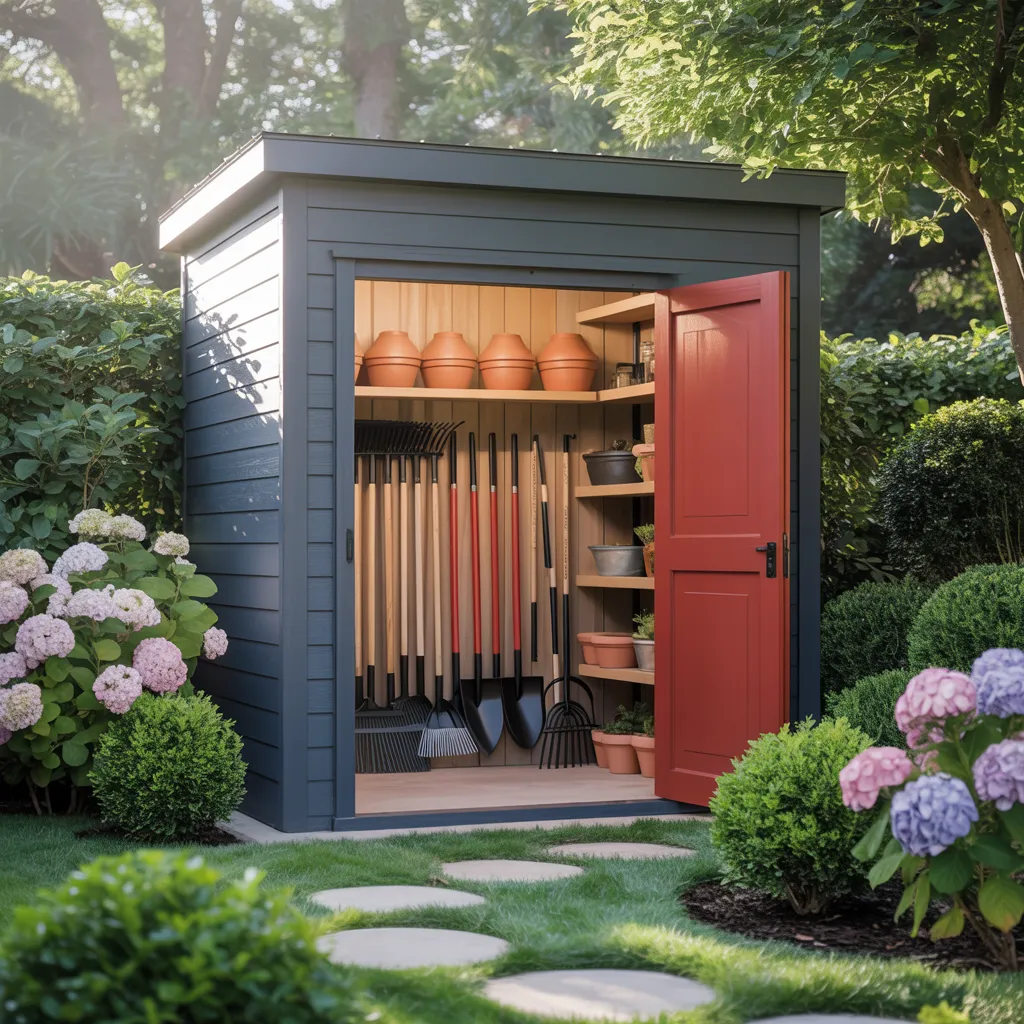
What Do You Need a Storage Shed For?
When thinking about the purchase of a outdoor shed, one might question what exact purposes it will address. Recognizing these purposes is essential for arriving at a thoughtful conclusion. Many homeowners require extra space for garden equipment, outdoor equipment, or seasonal decor. A storage shed can also act as a dedicated hobby space, providing a private spot for woodwork or handmade creations.
Some individuals may seek a shed to store lawn equipment, bikes, or pool accessories, ensuring these items are protected from the elements. Furthermore, for those with pets, a shed can offer a dedicated space for pet essentials or a sheltered sanctuary for their animals.
Fundamentally, recognizing the intended use of the shed will direct the decision-making process. Thoroughly examining needs allows for a better suited and effective choice, making certain the shed optimally boosts organization and maximizes the existing space in the garden or yard.
What Amount of Space Do You Need?
Establishing the right size for a shed for storage begins with a careful review of personal storage needs. Knowing what belongings will be kept inside and examining the space at hand are critical steps in this process. Furthermore, utilizing effective techniques for measurement can help ensure a proper placement within the selected area.
Assessing Your Storage Needs
How can one accurately gauge their storage needs? First, it is essential to inventory items requiring storage. These may consist of seasonal items, tools, outdoor gear, and additional belongings that lack space inside the house. Categorizing items by size and frequency of use can further clarify what is necessary.
Furthermore, reflect on the future; forecasting possible additions can help avoid underestimating space requirements. Furthermore, people should evaluate whether they must have dedicated shelving, workspaces, or open floor space for oversized possessions.
Last but not least, it is essential to factor in accessibility. Guaranteeing that frequently used items are readily accessible can affect the overall size and layout of the storage unit. By methodically examining these considerations, one can reach well-informed conclusions about the ideal storage shed.
Space Measurement Methods Available
To correctly determine the available space for a storage shed, people should start by examining their outdoor area and noting any physical restrictions, including property boundaries, trees, or pre-existing structures. Following this, a tape measure should be used to establish the dimensions of the intended placement area, ensuring that adequate clearance around the shed is factored in for accessibility and proper ventilation. It is also advisable to visualize the shed's footprint, either with stakes or chalk, to confirm the fit within the designated space. Furthermore, taking local zoning regulations into account can affect both the placement and dimensions of the shed. Ultimately, a thorough measurement process guarantees that the selected storage shed will seamlessly integrate into the outdoor environment while maximizing functional use.
What Materials Should You Consider for Your Shed?
When selecting a storage shed, the choice of materials greatly impacts durability, maintenance, and aesthetics. Typical materials consist of wood, metal, and plastic, with each providing unique benefits.
Wooden sheds deliver a traditional aesthetic and are highly customizable but need consistent upkeep to avoid rot and pest damage. Metal sheds, typically constructed from galvanized steel or aluminum, are durable and weather-resistant but can be susceptible to rust if not properly treated. They typically require minimal upkeep.
Plastic sheds, manufactured from durable resin or high-density polyethylene materials, are remarkably lightweight, rot-resistant, and largely maintenance-free, making them an excellent solution for individuals who prioritize convenience.
At the end of the day, the choice should consider one's own preferences regarding style, the ability to maintain it over time, and the shed's intended purpose. Each available material comes with its own set of benefits, making it important to evaluate individual needs before reaching a final decision.
How to Align Your Shed Style With Your Home's Look
Picking a storage shed that suits the look of a home enhances both functionality and aesthetic appeal. To make this happen, homeowners should begin by evaluating the architectural characteristics of their property. For example, a modern home may pair well with a sleek, minimalist shed, while a conventional home could be enhanced by a traditional wooden shed featuring decorative trim.
Proper color coordination plays a key role; ensuring the shed's shade complements the home's exterior promotes a harmonious aesthetic. Residents should also factor in their yard's layout; integrating the shed into the yard's natural features will enhance its appeal.
Furthermore, the outbuilding's dimensions should complement the scale of the property and neighboring buildings, making sure it doesn't overpower or appear too small. At the end of the day, the purpose is to achieve a balanced connection between the storage structure and the property, enhancing the overall curb appeal while providing generous storage options.
How Much Should You Budget for Your Shed?
Establishing a budget for a storage shed necessitates thoughtful evaluation of multiple factors. Key elements including material, size, and design can greatly influence final expenses. Recognizing these factors is essential for creating a practical budget that satisfies both practical needs and personal preferences.
Identify the Right Shed Size
How can one determine the appropriate size for a storage shed while being mindful of costs? The first step includes examining the purpose the shed will serve. Identifying whether it will store outdoor furniture, gardening tools, or larger equipment can impact size requirements. Next, it is necessary to measure the available space in the yard, making sure there is sufficient room for the shed while considering local zoning regulations. Budget considerations also play a key role; larger sheds tend to require a higher investment. Therefore, prioritizing needs over wants can assist in reaching a cost-effective decision. Furthermore, planning for future storage needs can eliminate the need for a future purchase, which ultimately results in long-term savings.
Material and Design Expenses
What aspects should a person evaluate when determining material and design costs for a storage shed? To begin, the decision regarding materials significantly affects the total expenditure. Common options include metal, wood, and plastic, all of which differ in cost and longevity. In addition, the complexity of the shed's design—such as roofing style and window inclusion—may affect the overall price. Labor expenses should also be factored in, especially for custom designs or professional installations. In addition, municipal regulations might necessitate building permits, adding to the overall expenditure. It is advisable to research and compare prices from various suppliers and contractors to find the best deal. In the end, a thoughtfully prepared budget that incorporates all these considerations enables a person to arrive at a well-considered choice learn here when acquiring an outdoor storage shed.
Essential Features for Your Perfect Storage Shed
Identifying the perfect outdoor shed involves evaluating a number of critical features that can boost performance and longevity. To begin with, sufficient ventilation is vital to avoid moisture accumulation and preserve your belongings. Integrated shelving and storage systems enhance spatial organization, enabling effortless access to stored tools and items. In addition, a sturdy locking mechanism is critical for securing your valuable belongings.
A durable base, crafted from either concrete or wood, provides stability and longevity, while durable weather-resistant materials ensure protection from the elements. Think carefully about the size; it should accommodate current needs with room for future expansion. Windows that let in natural light may boost visibility, helping you locate belongings with greater ease.
Finally, visual appeal should not be overlooked. Opting for a design that matches the house and garden can boost total property value. Through including these must-have qualities, homeowners can find a storage shed that satisfies both functional and individual needs.
Questions We Often Receive
What Are the Top Locations for Positioning a Storage Shed?
The best spots for positioning a storage shed feature flat, well-drained areas away from trees, ensuring sunlight exposure and accessibility. Being close to the home improves practicality, while complying with regional guidelines and lot boundaries is necessary.
How Can I Keep My Storage Shed in Good Condition Over Time?
Proper maintenance of a storage shed requires assessing for damage, clearing debris, monitoring for leaks, and treating wooden surfaces with protective finishes. Maintaining adequate ventilation helps prevent mold growth, while regular organization keeps stored items accessible and orderly.
Am I Able to Customize My Storage Shed?
Storage sheds are available in a wide range of customizable options. Homeowners can select from a variety of materials, colors, sizes, and interior configurations to meet their specific requirements, ensuring the shed complements their property and fulfills specific storage requirements.
What Permits Are Needed for Shed Construction?
Local regulations typically dictate that building permits may be required for shed structures. Property owners ought to review zoning ordinances, height limitations, and property boundaries, ensuring compliance to avoid fines or potential removal of the structure.
How Can I Protect My Storage Shed Against Theft?
To secure a storage shed from theft, homeowners should install sturdy locks, utilize motion-sensor lighting, reinforce doors and windows, consider a security camera, and maintain a clear view of the shed from the house.